

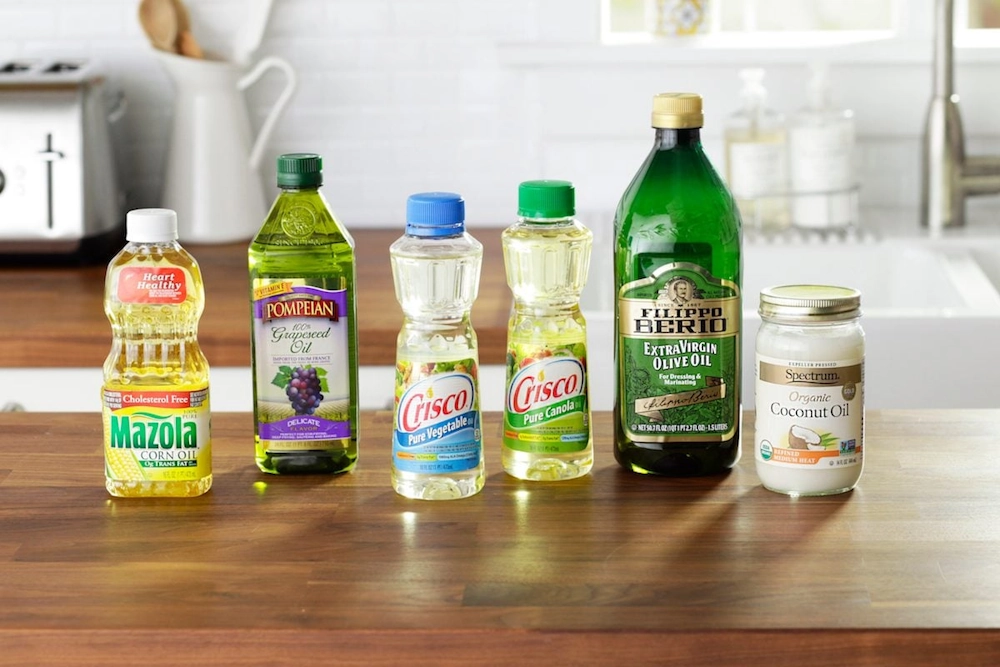
Tl;dr: For everyday cooking, choose extra-virgin olive oil (EVOO). For high-heat cooking, avocado oil and other stable, high-oleic oils are good backups. Avoid overused, highly refined seed oils when possible. Quality and stability matter more than hype.
If you wander down the oil aisle, it can feel like you’ve accidentally enrolled in a chemistry class … but don’t worry – you don’t need a degree. Here’s what science says about choosing oil wisely.
Why Oil Quality Matters
What makes an oil “healthy” isn’t just whether it’s plant-based, it’s how stable the fat is, what other beneficial compounds it carries (like antioxidants), and how it behaves when heated. The best oils help your body (not work against it) and stay stable under cooking heat rather than breaking down into harmful by-products.
🥇 Everyday Winner: Extra-Virgin Olive Oil (EVOO)
Strong Evidence for Heart & Lifespan Benefits
- In large population studies, increased consumption of olive oil is associated with significantly lower rates of cardiovascular disease. For example, one analysis found that for every 10 g/day increase in EVOO, the risk of cardiovascular disease dropped by ~10% and mortality risk by ~7%. PMC+2PMC+2
- In the landmark PREDIMED randomized trial, a Mediterranean-style diet supplemented with extra-virgin olive oil reduced the incidence of major cardiovascular events by about 30% compared with a low-fat control diet. PubMed+2PMC+2
- EVOO has also been linked with benefits for blood pressure, cholesterol profiles, inflammation, glycemic control, endothelial (blood-vessel) function, and overall metabolic health. ResearchGate+2PMC+2
Why EVOO Is More Than Just “Fat”
- EVOO is rich in monounsaturated fat (mainly oleic acid) – the “good fat.” But more importantly, it’s rich in polyphenols (antioxidant, anti-inflammatory compounds) that seem to do much of the protective work. PMC+2ScienceDirect+2
- These bioactive compounds help combat oxidative stress, reduce inflammation, and improve vascular health (e.g. better endothelial function). ResearchGate+2MDPI+2
And Yes — You Can Cook with It
Contrary to popular “smoke-point scare,” EVOO is stable for everyday cooking (sautéing, roasting, light frying). The presence of polyphenols helps protect it from oxidative damage under normal cooking temperatures. About Olive Oil+2Montreal Heart Prevention Observatory+2
Dietitians still note that EVOO shines in low- to medium-heat cooking, dressing, and finishing dishes – but it’s a strong “daily driver” for most cooking needs. Health+1
🥈 When You Need High Heat: Avocado Oil & High-Oleic Oils
Sometimes you need to crank the heat – sear steak, stir-fry veggies, roast at high temperature. Here’s where Avocado oil and certain high-oleic oils shine:
- Avocado oil offers a fatty-acid profile very similar to olive oil: high in monounsaturated fats, low in saturated fats. PMC+2Healthline+2
- It has a higher smoke point and good thermal stability, making it better suited for high-heat cooking than many other oils. PMC+2PubMed+2
- It remains a nutritious (heart-healthy) choice, even when heated. Cleveland Clinic+1
So avocado oil is a smart “backup” when you’re searing, frying, roasting – just like EVOO is your everyday staple.
⚠️ What to Be Wary Of
Highly Processed “Seed Oils”
Oils made from industrially processed seeds such as corn, soybean, or some sunflower/safflower oils often undergo high-heat extraction, refining, deodorizing, and bleaching. Those processes can degrade the oil and reduce beneficial compounds – and may lead to oxidation or formation of unwanted byproducts when heated. PMC+2Healthline+2
Even though unsaturated fats (like linoleic acid in many seed oils) have been considered heart-healthy in some studies, the method of processing and cooking changes the risk/benefit balance. PMC+1
Saturated-Heavy Fats (e.g. Coconut Oil, Butter) — Fine Occasionally, Not as Main Oils
Fats high in saturated fat tend to raise “bad” LDL cholesterol when used heavily. While small amounts here and there are generally okay, saturated-fat–heavy oils and fats don’t offer the same vascular and metabolic benefits as oils like EVOO or avocado oil. Johns Hopkins Public Health+2Healthline+2
✅ How to Choose a Healthy Cooking Oil (Quick Guide)
| Goal / Use case | Best Oil |
| Everyday cooking, sautéing, salads, cooking under moderate heat | Extra-virgin olive oil (EVOO) |
| High-heat cooking (searing, stir-fry, roasting, frying) | Avocado oil or high-oleic oils (when available) |
| Flavor accents / finishing / baking | EVOO or avocado oil, in moderation |
| Minimizing processed fats / maximizing antioxidants | Cold-pressed, unrefined oils (EVOO, virgin avocado) over refined seed oils |
Note: “Quality matters.” Cold-pressed, minimally processed oils will retain more of the beneficial compounds (polyphenols, antioxidants) than heavily refined oils – even if the base ingredient is the same. About Olive Oil+2Prevention+2
⚖️ The Balanced Reality
- EVOO has the strongest and most robust evidence for improving cardiovascular health, reducing inflammation, and supporting metabolic wellbeing. PubMed+3PubMed+3ScienceDirect+3
- Avocado oil is a very solid second choice – especially for high-heat cooking – thanks to its favorable fat profile and high stability. ScienceDirect+2Healthline+2
- Many seed oils can be part of a healthy diet in moderation, but their benefits are much more dependent on processing method and cooking use. PMC+2Healthline+2
- Saturated-fat–heavy oils (or fats) may be okay occasionally, but they generally don’t offer the same benefits as monounsaturated/antioxidant-rich oils. PMC+1
🎯 Final Take
If I were you and building a simple, healthy kitchen oil routine:
- I’d keep a 750 mL (or larger) bottle of extra-virgin olive oil within easy reach – for everyday cooking, salads, dressings, etc.
- I’d also keep a bottle of avocado oil – for when I need to sear, stir-fry, roast, or otherwise cook at high heat.
- For occasional flavor variety: maybe a splash of sesame oil, or a small dab of butter, but I wouldn’t rely on those as my main cooking fats.
Bottom line: pick oils based on quality, stability, and the kind of cooking you’re doing. The science strongly supports EVOO as the healthiest all-around oil, with avocado oil as a great high-heat partner.