

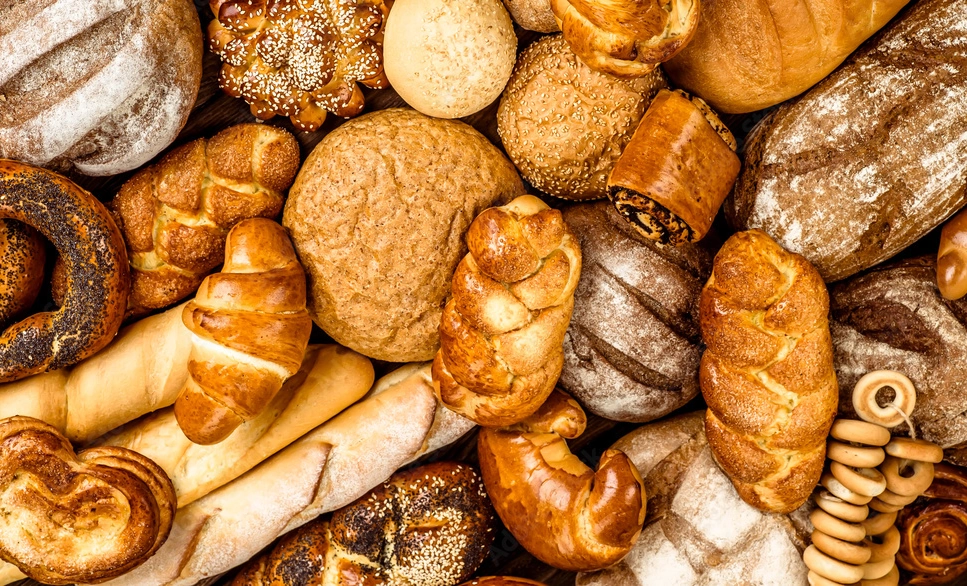
Tl;dr: The healthiest breads are dense, minimally processed, whole-grain (or sprouted) loaves with lots of fiber and very little added sugar. Think sprouted whole-grain, 100% whole-wheat, whole-grain rye, and true whole-grain sourdough—not fluffy white sandwich bread pretending to be “whole wheat.”
If you’ve ever stood in front of the bread aisle feeling personally attacked by 47 nearly identical loaves, you’re not alone.
“Multigrain!” “Keto!” “Heart healthy!” “Sourdough!”
Cool… but which one is actually healthiest?
Let’s break it down in a simple, non-diety way: you can absolutely eat bread and be healthy. The trick is choosing bread that loves you back—supporting better blood sugar, gut health, and long-term heart health, not just tasting good for 4 seconds.
First: What makes bread “healthy,” anyway?
Instead of obsessing over one magic brand, think in terms of criteria. A healthier bread will usually:
- Be made from whole grains
Whole grains keep the bran and germ (the outer layer and nutrient-dense center), which means more fiber, vitamins, minerals, and beneficial plant compounds. Higher whole-grain intake is consistently linked to lower risk of heart disease, type 2 diabetes, and death from cardiovascular causes. (The Nutrition Source) - Contain plenty of fiber
Aim for at least 3 grams of fiber per slice, ideally more. Fiber slows digestion, blunts blood sugar spikes, and helps you stay full. - Be relatively low in added sugar
A tiny bit (1–2 g) for flavor is fine; more than that and it’s drifting into “bread-flavored dessert.” - Use minimally processed ingredients
Short ingredient list. Words you recognize. Extra points for seeds, intact grains, and sprouted grains. - Work with your body
If you have celiac disease, wheat allergy, or need gluten-free for medical reasons, then “healthiest” has to include not making you sick.
Now, with that in mind, let’s meet the contenders.
#1: Sprouted Whole-Grain Bread (Top Pick for Most People)
If we had to crown one winner, sprouted whole-grain bread is a strong candidate.
Sprouted bread is made from grains that have been soaked until they just begin to sprout. That process:
- Increases some nutrients
- Often raises protein and fiber a bit
- Can make the bread easier to digest
- Tends to lower the glycemic index (gentler on blood sugar) compared with regular bread (Healthline)
Many well-known sprouted breads also mix in legumes (like lentils or soybeans) and seeds, which adds extra protein, minerals, and healthy fats.
Label tips:
- Look for “100% sprouted whole grains” as the first words.
- 3–5+ g fiber per slice is fantastic.
- Keep added sugar at 0–2 g per slice.
#2: 100% Whole-Wheat or Whole-Grain Bread
Next up: the classic 100% whole-wheat or 100% whole-grain loaf.
These breads keep the whole kernel of the grain, which:
- Boosts fiber (big help for heart health and digestion)
- Provides B vitamins, iron, magnesium, antioxidants, and more
- Is strongly associated with lower risk of heart disease and better long-term health when eaten regularly (Harvard Health)
The main trap here is marketing. A loaf can be called “wheat bread” or “multigrain” while still being mostly white flour.
Label tips:
- The first ingredient should be “100% whole wheat flour” or “whole grain [wheat/oats/etc.]”.
- If you see “enriched wheat flour” listed first, that’s just white flour in a nice outfit.
- Again, ≥3 g fiber per slice, minimal sugar.
For many people, a dense, 100% whole-grain loaf is the most practical, budget-friendly healthy bread.
#3: Whole-Grain Rye Bread
Rye bread deserves way more love than it gets.
Whole-grain rye tends to be:
- Very high in fiber—often even higher than whole-wheat bread (Glycemic Index)
- Dense and satisfying, so smaller portions feel more filling
- Linked with improved markers of glycemic control in intervention studies (PMC)
Some research suggests rye breads can produce a steadier blood sugar response than standard white bread, partly thanks to that big fiber payload and how rye starch behaves during digestion. (American Journal of Clinical Nutrition)
Label tips:
- Look for “whole-grain rye” or “whole rye flour” early in the ingredient list.
- Dark color alone doesn’t guarantee whole grain—sometimes it’s just caramel color.
If you like that earthy, slightly sour rye flavor, this is a great “healthy bread” upgrade.
#4: True Whole-Grain Sourdough
Sourdough has a cult following for a reason, and it’s not just the tang.
The sourdough process uses wild yeasts and lactic acid bacteria to ferment the dough. This can:
- Break down some phytates, improving mineral absorption
- Change the structure of starch, often lowering the glycemic response
- Increase certain bioactive compounds and improve flavor and shelf life (PMC)
Some studies and reviews suggest sourdough breads may lead to a lower or slower blood sugar rise compared with non-fermented bread, though results aren’t perfectly consistent. (Frontiers)
However, not all sourdough is created equal:
- A loaf labeled “sourdough” can still be made mostly with white flour.
- Super-fluffy supermarket sourdough may be more style than substance.
Label tips:
- Best choice: whole-grain sourdough (e.g., whole-wheat or whole-rye sourdough).
- Look for short ingredient lists: flour, water, salt, starter.
- Ideally from a bakery or brand that uses slow fermentation.
#5: Seeded Multigrain and High-Fiber Breads
Some “multigrain” or “seeded” breads are genuinely excellent; others are white bread with bird food sprinkled in.
A good multigrain or seeded loaf can offer:
- A mix of whole grains (oats, barley, millet, etc.)
- Seeds like flax, chia, sunflower, pumpkin—adding healthy fats, extra fiber, and a bit of protein
- Great satiety (you stay full longer)
These can be particularly helpful for blood sugar control and heart health when they’re based on whole grains and not overloaded with sweeteners. (Verywell Health)
Label tips:
- Look for “100% whole grain” or whole-grain flours as the first ingredients.
- Seeds should be actual ingredients, not just sprinkled on top for looks.
- Check that fiber is high and added sugar is low.
But what about gluten-free or low-carb breads?
Gluten-free bread
If you medically need gluten-free (celiac disease, diagnosed wheat allergy, etc.), then gluten-free bread that sits well with your digestion is your healthiest bread.
Health-wise, though, many gluten-free breads are:
- Made from refined starches (rice, tapioca, potato)
- Lower in fiber and protein
- Sometimes higher in added sugar
If you’re choosing gluten-free by preference, look for ones made with whole-grain gluten-free flours (like buckwheat, sorghum, oat, quinoa) plus seeds and legumes to boost fiber and nutrition.
Low-carb / keto bread
These can work for specific goals (like strict carb control), but:
- They’re often ultra-processed
- Ingredients can be weirdly industrial (isolated fibers, vital wheat gluten, etc.)
- They’re not automatically “healthier” for everyone
For most people without a medical need for strict carb restriction, a slice or two of genuinely whole-grain, higher-fiber bread is a more sustainable choice.
How to pick the healthiest bread in 20 seconds
When you’re standing in the bread aisle, do this quick mini-check:
- Read the first ingredient
- Must say “whole” (whole wheat, whole grain, whole rye, etc.).
- Check fiber
- Aim for 3+ grams per slice. More is better.
- Scan for sugar
- Keep added sugar low (ideally ≤2 g per slice; 0 is great).
- Look at the ingredient list
- Short, recognizable ingredients. Seeds, oats, and grains = yes. Tons of sweeteners and fillers = meh.
- Bonus points
- Sprouted grains, rye, or real sourdough fermentation.
If a bread passes that checklist, you’re solid.
The bottom line
There isn’t one single “perfect” bread that everyone has to eat. But there is a clear pattern:
- Best overall: sprouted whole-grain breads, dense 100% whole-grain or whole-wheat loaves, whole-grain rye, and true whole-grain sourdough.
- Key features: high fiber, whole grains, minimal sugar, modest processing.
- Context matters: how much you eat, what you eat it with (hello, avocado and hummus), and your personal health needs all matter.
So no, you don’t have to break up with bread.
You just might want to trade the fluffy, sweet, white stuff for a loaf that’s a little more… grown-up. Think of it as upgrading from a sugary cereal to a really good granola: still delicious, but it actually does your body some favors.
And next time you’re in the bread aisle, you can walk past the chaos, grab your high-fiber, whole-grain loaf with confidence, and feel just a tiny bit smug about it.